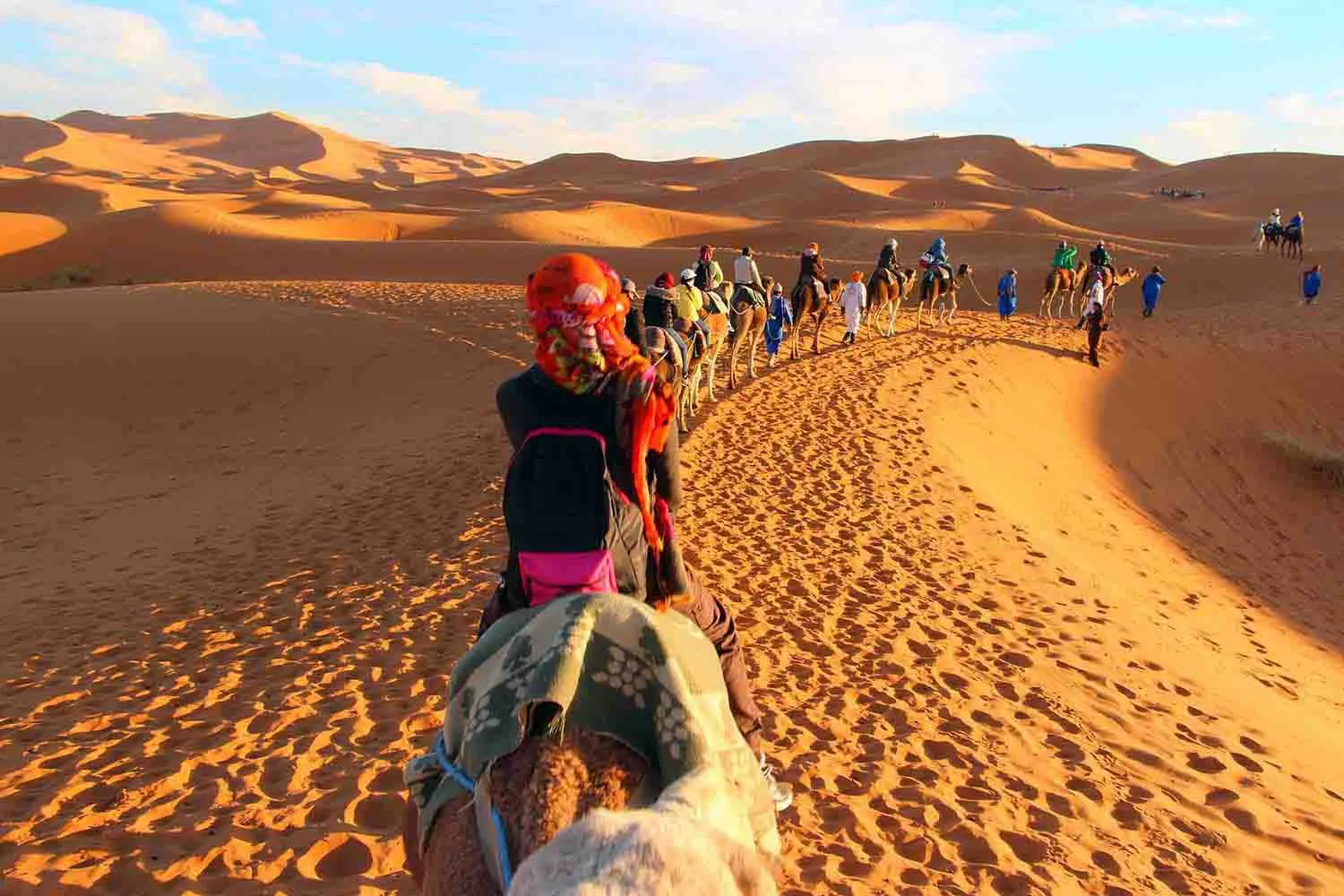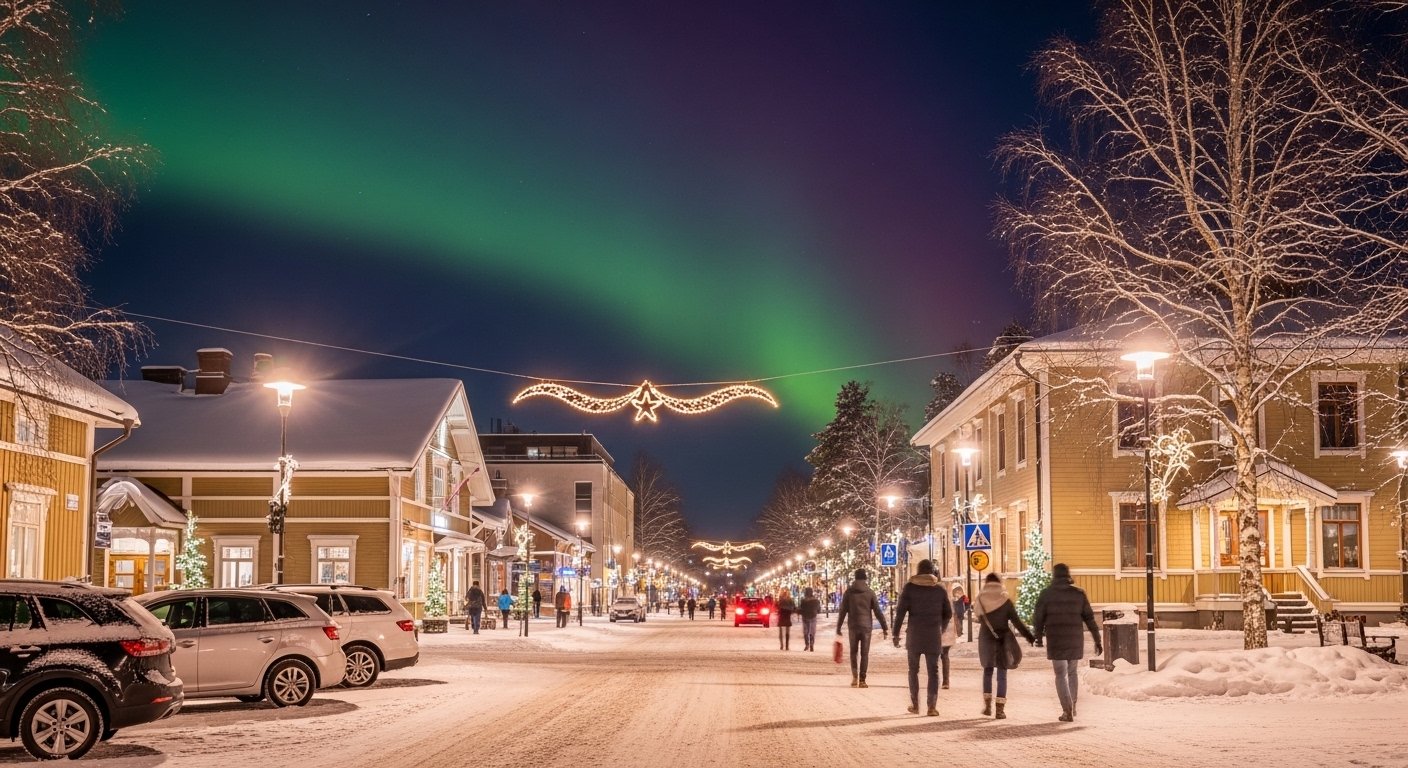



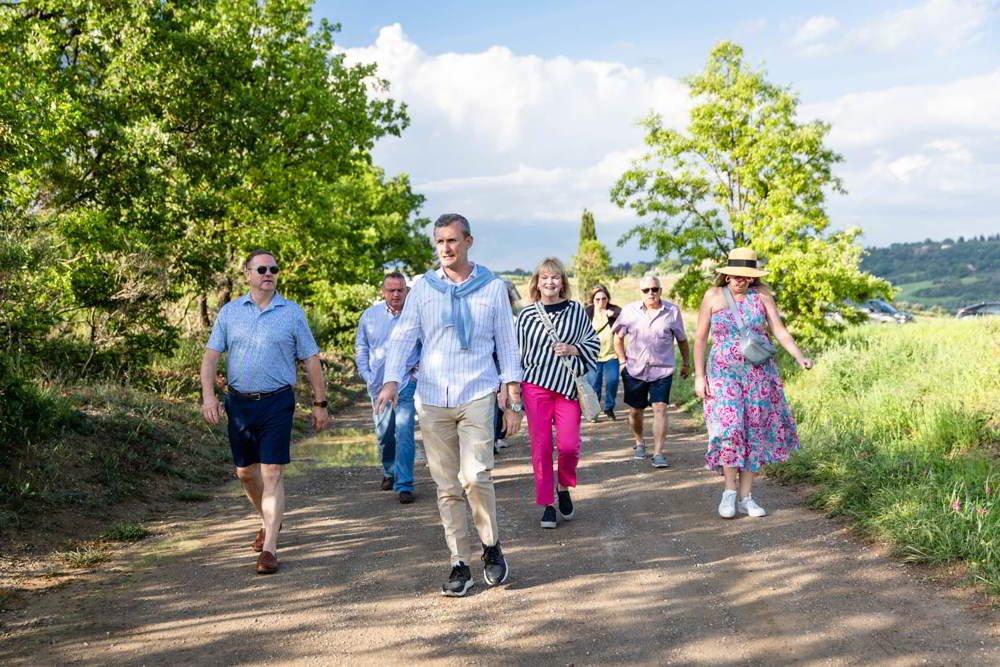
Travel has changed significantly over the past decade. More travelers are moving away from crowded package vacations and looking for experiences that feel personal, immersive, and meaningful. This shift is one of the biggest reasons small group tours continue to grow in popularity. Instead of rushing through destinations with dozens of people, travelers are now choosing more intimate experiences that allow deeper cultural connections and greater flexibility.
Companies offering curated travel experiences, such as Tao Travel 365, reflect this growing demand for personalized and experience-focused travel. Smaller groups often create opportunities that simply aren’t possible in larger tours, helping travelers experience destinations in a more genuine and memorable way.
The Difference Between Large Tours and Small Group Travel
Traditional large-scale tours are usually designed around efficiency. They move quickly, follow rigid schedules, and often focus on visiting as many attractions as possible within a short period of time.
Small group tours operate differently. Because there are fewer travelers involved, the experience becomes more flexible and interactive. Travelers are not just observing a destination—they are engaging with it more directly.
This difference affects nearly every part of the journey:
- Transportation feels less crowded
- Activities become more personalized
- Guides can give more individual attention
- Travelers have more opportunities for meaningful interactions
As a result, the overall experience tends to feel less commercial and more authentic.
Stronger Cultural Connections
One of the biggest advantages of small group travel is the ability to connect more deeply with local culture. In many destinations, large tour groups can unintentionally create barriers between visitors and local communities.
Smaller groups are often able to:
- Visit family-owned businesses
- Eat at local restaurants instead of tourist-focused chains
- Participate in community-based experiences
- Spend more time interacting with residents
These moments create a better understanding of the destination beyond the typical tourist perspective.
Instead of simply taking photos at landmarks, travelers gain insight into local traditions, food, history, and daily life. This type of cultural exchange is often what people remember most after returning home.
Greater Flexibility During the Trip
Flexibility is another reason many travelers prefer smaller groups. Large tours usually follow strict timelines because coordinating dozens of people leaves little room for adjustments.
With smaller groups, guides can often adapt the schedule based on:
- Weather conditions
- Group interests
- Local recommendations
- Unexpected opportunities
For example, if travelers discover a local festival or hidden viewpoint, a small group may be able to incorporate it into the itinerary. These spontaneous moments often become the highlights of the trip.
Travelers also tend to feel less rushed. There is more time to explore destinations naturally instead of constantly moving from one stop to another.
More Personalized Attention from Guides
Tour guides play a major role in shaping the travel experience. In large groups, guides often focus on logistics and crowd management. Personal interaction becomes limited simply because of the number of people involved.
Small group tours allow guides to:
- Answer more individual questions
- Share detailed local insights
- Adjust recommendations based on traveler interests
- Create a more conversational atmosphere
This makes the experience feel more engaging and educational.
A knowledgeable guide can transform a destination by providing context that travelers would likely miss on their own. Smaller groups make these interactions much easier and more natural.
Better Access to Unique Experiences
Certain experiences are difficult—or impossible—to organize for large groups. Smaller tours can access locations and activities that are more exclusive or less commercialized.
These may include:
- Boutique accommodations
- Local cooking classes
- Village visits
- Nature excursions in remote areas
- Private workshops with local artisans
Because logistics are simpler with fewer people, travelers gain access to experiences that feel more genuine and less staged for tourism.
This creates a stronger sense of discovery and adventure throughout the trip.
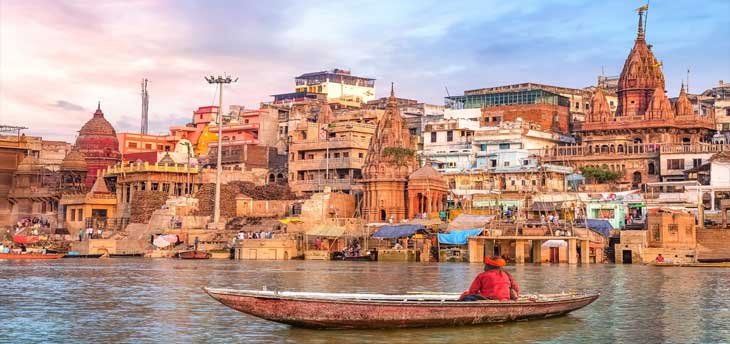
Building Real Connections with Fellow Travelers
Another underrated benefit of small group tours is the social experience. In very large groups, people often stay within their own circles and interaction can feel limited.
Smaller groups naturally encourage conversation and shared experiences. Travelers often form friendships because they spend more time together in a relaxed environment.
Shared meals, activities, and conversations create a stronger group dynamic. For solo travelers especially, this can make the experience more comfortable and enjoyable.
The journey becomes not just about the destination, but also about the people sharing the experience.
Reduced Environmental and Social Impact
Sustainable travel has become increasingly important, and smaller tours often align better with responsible tourism practices.
Large tour groups can place pressure on:
- Local infrastructure
- Natural sites
- Small communities
Smaller groups tend to have a lower impact and can support local economies more directly by working with small businesses and community providers.
Responsible travel isn’t only about protecting the environment—it’s also about creating positive interactions between visitors and local communities. Smaller tours often support this balance more effectively.
Why Travelers Are Prioritizing Experiences Over Convenience
Modern travelers increasingly value meaningful experiences over convenience alone. Instead of simply checking destinations off a list, people want travel that feels immersive and memorable.
Small group tours support this trend by focusing on:
- Authentic local experiences
- Slower, more intentional travel
- Personal interaction
- Flexibility and comfort
This style of travel appeals to a wide range of people, from solo travelers and couples to experienced adventurers looking for something beyond standard tourism.
Is Small Group Travel Right for Everyone?
While small group tours offer many advantages, they may not suit every traveler. Some people prefer fully independent travel, while others enjoy the structure and predictability of larger organized tours.
However, for travelers who value:
- Authenticity
- Cultural immersion
- Personalized experiences
- Stronger social connections
small group travel often provides a more rewarding balance between independence and guided support.
Final Thoughts
Small group tours are changing the way people experience travel. By focusing on deeper cultural connections, flexibility, and personalized experiences, they offer something that large-scale tourism often struggles to provide—authenticity.
Rather than simply visiting destinations, travelers become more connected to the places they explore and the people they meet along the way. From meaningful local interactions to unique experiences off the typical tourist path, small group travel creates journeys that feel more personal and memorable.
As more travelers prioritize quality over quantity in their experiences, the demand for thoughtful, immersive travel continues to grow. Small group tours are well positioned to meet that demand by offering a style of travel that feels both enriching and genuinely human.